Planned and Emergency Hospitalisation in Australia: How OSHC Covers Public and Private Hospital Costs in 2026
A detailed look at how OSHC reimburses planned and emergency hospital stays for international students. Learn the claim steps, public vs private hospital differences, cost-sharing rules, excess fees, gap payments and tips to minimise out-of-pocket expenses.
On this page
- What OSHC Actually Covers for Hospital Stays
- Planned Hospital Admission: The Step-by-Step Reimbursement Process
- Emergency Hospitalisation: What Happens When You Rush to A&E
- Public vs Private Hospitals: Where OSHC Stands
- Public Hospitals
- Private Hospitals
- Cost-Sharing, Gaps, and Excess: Where Your Money Goes
- The OSHC Excess
- The Medicare Benefits Schedule (MBS) Gap
- Prostheses and High‑Cost Items
- Practical Tips to Minimise Hospital Bills
- Frequently Asked Questions
- Making the System Work for You
Finding yourself in an Australian hospital — whether for a scheduled procedure or an unexpected emergency — is stressful enough without the worry of massive medical bills. For the hundreds of thousands of international students from China, India, Vietnam, Indonesia, Nepal, Korea, Japan, Brazil, Spanish-speaking countries, Thailand, Hong Kong, and Taiwan currently studying in Australia, understanding exactly how your Overseas Student Health Cover (OSHC) works is the single most important thing you can do before you ever need inpatient care.
This article provides a detailed explanation of planned and emergency hospitalisation OSHC reimbursement process, including the difference between public and private hospitals and cost-sharing. We will walk through real-world scenarios, clarify the often-confusing gap and excess rules, and show you how to avoid nasty surprises when you swipe your student card at the admissions desk.
What OSHC Actually Covers for Hospital Stays
OSHC is mandatory for all student visa holders and is designed to mirror many of the benefits Australians receive through Medicare. When it comes to hospital care, your policy — whether issued by Allianz Care Australia, Bupa, CBHS, Medibank, or nib — will generally cover the following while you are admitted as an inpatient:
- Accommodation and nursing care in a shared ward of a public hospital
- Medically necessary procedures and surgeries that attract a Medicare Benefits Schedule (MBS) item number
- In-hospital consultations with doctors and specialists, provided they charge the MBS fee
- Diagnostic tests such as X‑rays, pathology and certain scans ordered during your admission
- Pharmaceuticals listed on the Pharmaceutical Benefits Scheme (PBS) administered in hospital
- Emergency department fees when you are subsequently admitted as an inpatient
Importantly, OSHC does not cover treatment that is not medically necessary, elective cosmetic surgery, assisted reproductive services, or treatments that fall outside the scope of the MBS. Always check your individual policy’s product disclosure statement (PDS), because some lower-cost policies may exclude certain categories like joint replacements or obstetrics.
Planned Hospital Admission: The Step-by-Step Reimbursement Process
A planned admission is any hospital stay that you and your doctor arrange in advance — common for knee arthroscopy, tonsillectomy, gallbladder removal, or scheduled diagnostic scopes. The planned hospitalisation OSHC reimbursement process follows a clear path, but it requires you to be proactive before the day of admission.
- Get a referral from a General Practitioner (GP) to a specialist. Most OSHC policies cover a proportion of GP consultations, either through direct billing or pay-and-claim.
- Ask the specialist for an “informed financial consent” document. This must list the MBS item numbers for the proposed procedure, the specialist’s fee, the anaesthetist’s details and the estimated hospital stay.
- Contact your OSHC insurer by phone or online portal and provide the MBS item numbers and hospital admission details. The insurer will issue a pre-approval letter if the treatment is covered. Never skip this step — without pre‑approval you may be treated as a non‑admitted patient or have your claim reduced.
- Decide on public versus private hospital (more on this below). If you choose a private hospital, check whether it has a negotiated agreement with your OSHC fund; this often eliminates the need for a large upfront payment.
- On the day of admission, present your OSHC membership card or digital card. If the hospital has a direct‑billing arrangement, the insurer settles the accommodation and theatre fees directly. You may still need to pay the specialist’s gap on the day if the doctor charges above the MBS fee.
- After discharge, submit any outstanding receipts via your insurer’s app. Reimbursement for eligible out‑of‑hospital components (e.g. follow‑up radiology not billed within the admission) typically takes 5 to 10 business days.
The most common misstep international students make is failing to obtain pre‑approval for a planned admission. Even if the procedure is covered, a missing pre‑approval can leave you paying the full hospital bill upfront and waiting weeks for a partial refund.
Emergency Hospitalisation: What Happens When You Rush to A&E
Emergency admissions move fast, and the emergency hospitalisation OSHC reimbursement process is designed to remove financial barriers at the point of care. In most cases you do not need pre‑approval to be treated in a public hospital emergency department (ED) or to be admitted as a public inpatient through the ED.
If you arrive at a public hospital ED:
- You will be triaged and treated regardless of your insurance status. Public hospitals are legally required to provide immediately necessary emergency care.
- If the ED doctor decides you need to be admitted, the hospital will ask for your OSHC details. The public hospital will usually bill your insurer directly for the inpatient stay, including accommodation, theatre fees (if emergency surgery is required) and in‑hospital medications.
- You may receive an invoice for the ED facility fee if you are not admitted. This fee can range from $200 to $400 depending on the state. Most OSHC policies reimburse this if you lodge a claim, but you should confirm with your fund.
If you are taken to a private hospital emergency department (some exist in major cities), the process is different. Private EDs may charge an upfront fee that can exceed $300 before you even see a doctor. OSHC may cover the MBS component of the ED consultation, but the gap and any non‑MBS facility fee will almost certainly be your responsibility. Always ask the reception nurse, before you hand over your debit card, whether the hospital is public or private and what your likely out‑of‑pocket cost will be.
For ambulance transport, note that OSHC generally covers emergency ambulance when medically necessary, but some policies cap the number of trips or limit coverage to call‑outs within a certain radius. Read your policy carefully: some states, such as Queensland and Tasmania, provide free ambulance for residents, but international students are not automatically covered by those state schemes.
Public vs Private Hospitals: Where OSHC Stands
The difference between public and private hospitals and cost-sharing under OSHC is the area that causes students the most financial pain — often because nobody explains it in plain English until the bill arrives.
Public Hospitals
When you are admitted as a public patient in a public hospital, you are treated by doctors assigned by the hospital. You do not choose your specialist, but the upside is that OSHC will cover almost 100% of the cost: accommodation in a shared ward, theatre fees, diagnostic services and the doctors’ fees (because public‑hospital doctors are salaried and do not bill separately). You may pay nothing out‑of‑pocket for a publicly‑admitted stay beyond any policy excess (usually $250 or $500 per admission). Some OSHC funds even waive the excess for public hospital admissions.
If you elect to be admitted as a private patient in a public hospital, you can choose your own specialist and may get a single room — but the specialist can charge above the MBS fee. The hospital will bill your OSHC for the accommodation, and the specialist will bill you for the gap. An uncomplicated private‑patient stay in a public hospital can still leave you with an out‑of‑pocket gap of $500 to $2,000, depending on the procedure.
Private Hospitals
Private hospitals offer greater comfort, shorter waiting times for elective surgery, and your choice of specialist. However, OSHC only covers the minimum cost equivalent to what a public hospital would charge. The private hospital’s accommodation fee, theatre fee, and prostheses may exceed the MBS/OSHC benefit schedule.
- If your insurer has a private hospital agreement with that specific hospital, you will likely pay nothing beyond the excess and any specialist gaps.
- Without an agreement, you could be billed thousands of dollars for the accommodation alone.
A real‑world example: an international student needed a planned tonsillectomy. The specialist’s quote showed a $1,800 MBS rebate, but the private hospital’s theatre and accommodation fee was $4,200. The insurer’s agreement covered $3,700 of that; the student paid the $500 gap plus a $250 policy excess. Without the agreement, the same student would have paid over $2,500 out‑of‑pocket.
Always ask the private hospital’s admissions team: “Do you have a direct‑billing agreement with my OSHC fund?” If the answer is no, ask for a detailed fee estimate and speak to your insurer before booking.
Cost-Sharing, Gaps, and Excess: Where Your Money Goes

Understanding cost-sharing under OSHC means grasping three concepts that frequently show up on invoices.
The OSHC Excess
Most OSHC policies carry an excess — typically $250 or $500 — that you pay once per hospital admission. This is not an annual deductible; it resets with every inpatient episode. If you chose a high‑excess policy to lower your premium, a single overnight stay could trigger a $500 payment even if everything else is fully covered. Some funds allow you to reduce the excess for a slightly higher premium, which can be worth it if you have a known condition.
The Medicare Benefits Schedule (MBS) Gap
The government‑set MBS fee is what Medicare (and OSHC) deems appropriate for a medical service. Specialists in private practice, however, are free to charge above the MBS fee. The difference is called the gap. If a general surgeon charges $2,200 for a procedure that has an MBS fee of $1,500, OSHC will rebate $1,500 and you must pay the $700 gap.
Some doctors use a “no‑gap” or “known‑gap” billing arrangement with the insurer; you should always ask for this when you book the appointment. Doctors are required to give you a written cost estimate before the procedure under the Medical Board of Australia’s code of conduct.
Prostheses and High‑Cost Items
For some surgeries — think orthopaedic implants, cardiac stents, or intraocular lenses — the prosthesis is listed on a government‑approved prostheses list. OSHC funds are required to pay the listed benefit, but if the private hospital uses a more expensive alternative, you may be charged the difference. In a public hospital as a public patient, these items are fully covered.
Practical Tips to Minimise Hospital Bills
- Always carry your OSHC card — and save a digital copy in your phone wallet. In emergency situations, hospital clerical staff will need your membership number and the fund’s provider hotline.
- Pre‑approve everything elective. A five‑minute phone call to your OSHC fund can save you thousands.
- Ask public or private immediately. Before any non‑life‑threatening procedure, confirm the hospital’s status and your admission status (public patient vs private patient). Changing from private to public status in a public hospital can slash your out‑of‑pocket to zero.
- Request a “no‑gap” specialist. Many specialists in university‑affiliated teaching hospitals are willing to accept the OSHC/MBS rate, particularly if you are a student.
- Review your fund’s gap cover scheme. Some OSHC providers have a Medical Gap Scheme that caps how much a participating specialist can charge above the MBS.
- Keep all documents. Receipts, specialist quotes, and pre‑approval letters should be stored because OSHC funds sometimes require them if a claim is escalated.
Frequently Asked Questions
Do I need to pay anything upfront if I go to a public hospital emergency department? If you are admitted as an inpatient, the public hospital will usually bill your OSHC directly and you do not pay upfront. If you are treated in the ED and discharged without being admitted, you may receive a bill of $200–$400 that you pay and then claim back from your OSHC insurer.
Can I choose a private hospital with OSHC? Yes, but you must check whether your OSHC fund has a direct‑billing agreement with that hospital. Without an agreement, your out‑of‑pocket accommodation and theatre costs can be very high. Always get a written estimate and talk to your insurer.
What is the excess and when do I have to pay it? The excess is the amount you pay per hospital admission — commonly $250 or $500. It applies to both planned and emergency admissions, though some policies waive it for public hospital admissions. You typically pay the excess at the time of admission or when the hospital invoices you post‑discharge.
How long does it take to get reimbursed for hospital expenses? For direct‑billed hospital stays you see no delay because the insurer pays the provider. For pay‑and‑claim situations, electronic claims are usually processed within 5 to 10 business days. Paper claims can take up to 4 weeks.
Does OSHC cover ambulance if I am taken to hospital in an emergency? Yes, most OSHC policies cover emergency ambulance transport when it is medically necessary. However, there may be limits on the number of call‑outs per year, and some non‑emergency patient transport is excluded.
Making the System Work for You
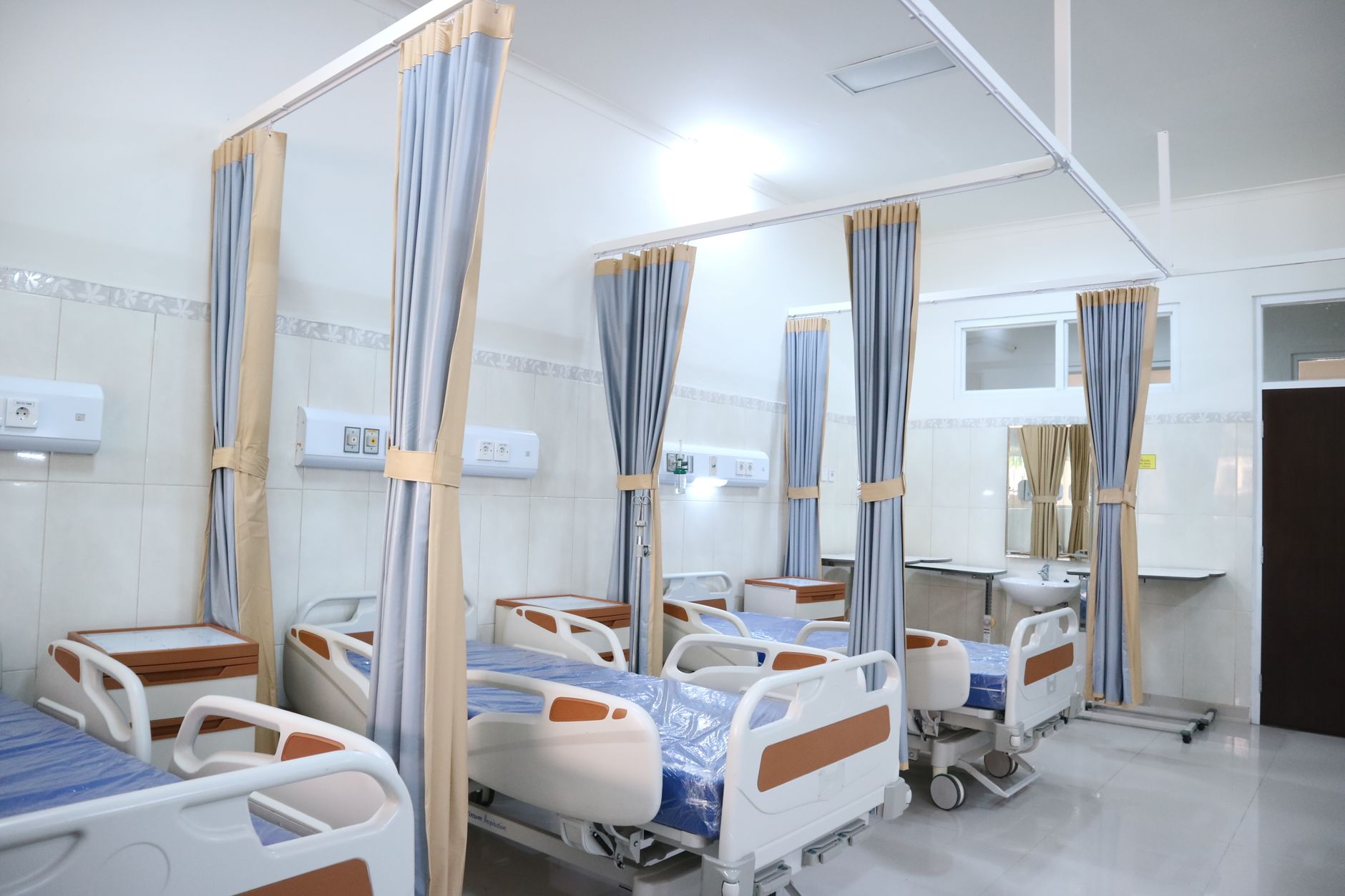
The Australian hospital system is high‑quality but complex, and the only way to avoid financial shock is to understand the mechanics before you need care. This detailed explanation of planned and emergency hospitalisation OSHC reimbursement process, including the difference between public and private hospitals and cost-sharing, is designed to give you a practical framework for your entire stay. When you remember that public hospital care as a public patient is virtually zero‑cost, that pre‑approval is your best insurance against gaps, and that private hospitals require extra checks, you transform from a passive patient into an informed consumer of healthcare. Share this guide with classmates, save your insurer’s 24‑hour contact number, and walk into any hospital with the confidence that your OSHC has you covered.
Partner links. Using them costs you nothing extra and may earn us a commission.