How to See a GP in Australia: Booking, Bulk Billing Visit & OSHC Claims for International Students
Struggling to understand how GP visits work in Australia? Our step-by-step guide walks you through booking an appointment, the consultation itself, payment differences between bulk billing and non-bulk billing clinics, and the exact OSHC claim process so you never overpay.
On this page
- Before You Book: What Your OSHC Actually Covers and How to Find a GP
- Making an Appointment: Online, Phone, or Walk-In
- Your GP Visit: What to Bring and What to Expect
- Payment at the Clinic: Bulk Billing vs Non-Bulk Billing Explained
- Bulk Billing Clinics
- Non-Bulk Billing Clinics (also called private billing)
- Mixed Billing
- How to Claim Your GP Costs Through Your OSHC Provider
- Extra Tips: After-Hours Care, Telehealth, and Specialist Referrals
- Frequently Asked Questions
- Summary: From Booking to Reimbursement, Knowing Bulk Billing Saves You Money
As an international student who has just landed in Australia, figuring out how to see a general practitioner (GP) can feel overwhelming. You might be worried about whether your Overseas Student Health Cover (OSHC) will pay for the visit, or confused about why some clinics say ‘bulk billing’ and others don’t. This guide breaks down the entire journey—from booking, the GP visit itself, to claims and reimbursements—into simple steps. We will walk you through the process of seeing a GP in Australia, covering the differences between bulk billing and non-bulk billing clinics, so you know exactly what to expect and how to manage your out-of-pocket costs.
Before You Book: What Your OSHC Actually Covers and How to Find a GP
Your OSHC policy is mandatory for your student visa and covers a percentage of the Medicare Benefits Schedule (MBS) fee for GP consultations. But the reimbursement amount depends on the type of policy and the clinic. Before you even book, check your OSHC provider’s website for the latest MBS rebate figures for a standard GP item (often item 23 for a standard consultation).
To find a GP, use your insurer’s direct billing network tool. Most major OSHC funds (Allianz Care Australia, Bupa, Medibank, nib, CBHS, AHM) have online search maps where you enter your suburb to see nearby GPs that accept direct billing. If you pick a practice outside that network, you may have to pay the full fee and claim later. Many university health services also offer GP consultations and typically bulk bill students who present a valid OSHC card—this is often the easiest no-surprise option.
Making an Appointment: Online, Phone, or Walk-In
Once you have found a clinic that suits you, booking an appointment can be done in three ways:
- Online booking: Most GP practices use platforms like HotDoc or HealthEngine. Download the app, enter your suburb, filter by ‘bulk billing’ if that’s your priority, and pick a time.
- Phone: Call the clinic directly and mention you are an international student with OSHC. Ask if they bulk bill OSHC patients for a standard consult. The receptionist can confirm the fee structure before you commit.
- Walk-in: Some medical centres accept walk-ins, especially large super clinics. However, waiting times can be unpredictable. Always ask about the consultation fee and OSHC acceptance when you check in.
If you need an interpreter, let the clinic know at the time of booking. Many practices can arrange free Telephone Interpreter Service (TIS National) support, which can be critical if English isn’t your first language.
Your GP Visit: What to Bring and What to Expect
On the day of your appointment, bring your OSHC membership card (digital is fine), your passport or photo ID, and your student ID. Arrive 10 minutes early to complete any new patient paperwork.
During the consultation, the GP will ask about your symptoms, medical history, and any medications you use. Standard GP appointments last 10–15 minutes. If you have multiple issues, book a longer appointment or accept that the doctor may ask you to book a follow-up. The GP may provide a prescription, order blood tests or imaging, or refer you to a specialist.
If you need a medical certificate for missed classes or exams, ask the GP during the appointment. The certificate will be provided as a paper printout or a digital document through SMS or email.
Payment at the Clinic: Bulk Billing vs Non-Bulk Billing Explained
This is the part where many international students get caught. Here is the key difference between bulk billing and non-bulk billing and how it affects your wallet.
Bulk Billing Clinics
If the practice bulk bills, the clinic will directly bill your OSHC provider for the full MBS rebate amount, and you don’t pay anything on the day. In most cases, the doctor accepts the rebate as full payment. For an OSHC holder, this means zero out-of-pocket cost. However, some bulk billing clinics may only offer bulk billing on weekdays, or for standard short appointments. Always confirm before entering.
Non-Bulk Billing Clinics (also called private billing)
At a non-bulk billing practice, you must pay the full consultation fee upfront, either by EFTPOS or cash. The clinic then provides you with an invoice and receipt. Your OSHC reimburses only the MBS rebate amount, not the total fee. For example, if the GP charges AUD 90 and the MBS rebate for a standard consult is AUD 42.85, you will get back around that sum after you claim, leaving you with a gap of roughly AUD 47.15 out of pocket. The exact gap depends on the insurer’s rebate rate and the fee charged.
Mixed Billing
Some practices charge a fee for new patients or weekend appointments but bulk bill existing patients or routine weekday visits. Always ask the receptionist the following question: ‘Do you bulk bill OSHC patients for a standard consultation?’ This one question will save you from surprise bills.
How to Claim Your GP Costs Through Your OSHC Provider
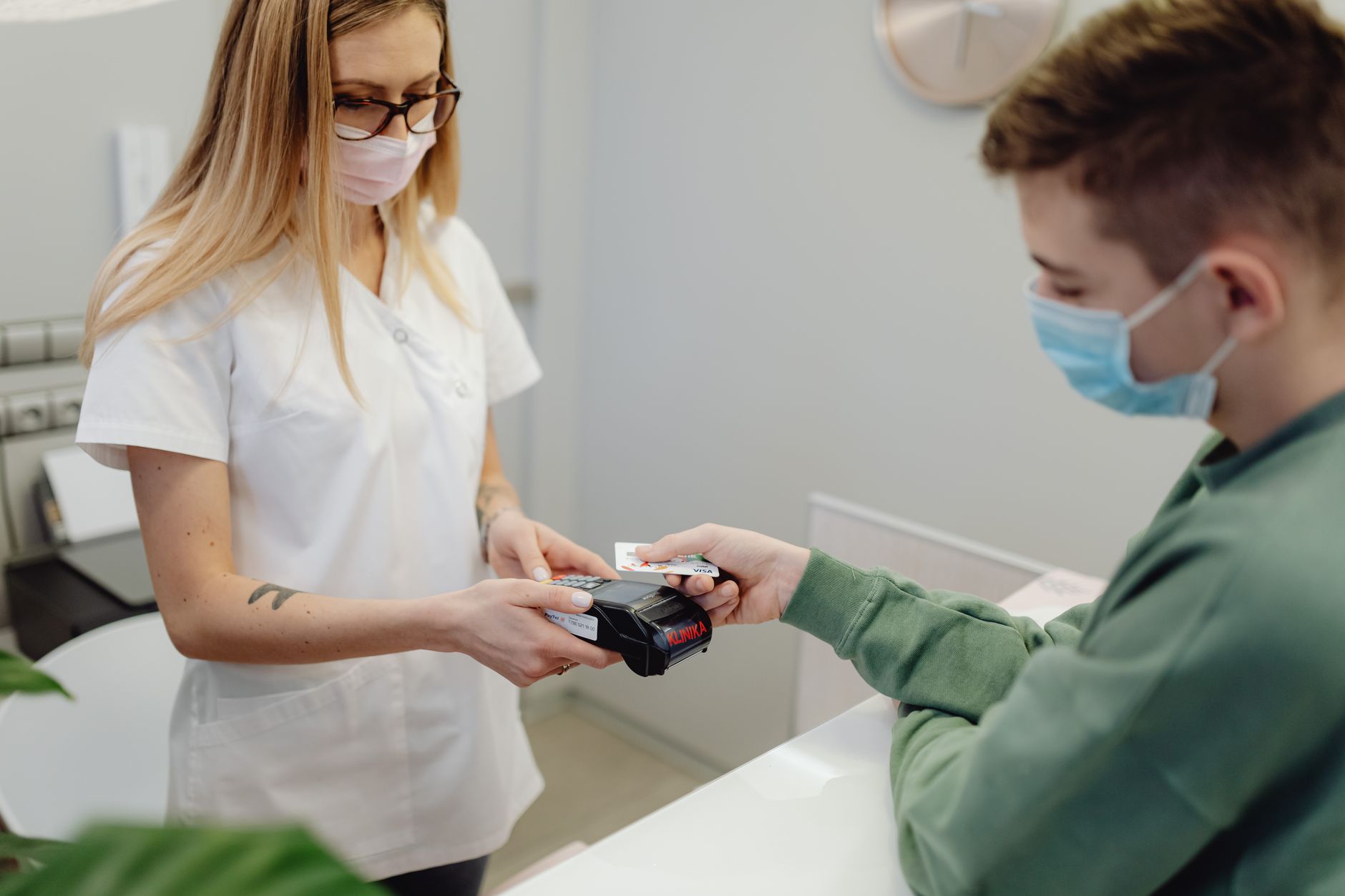
The claim process depends on whether the clinic processed a direct bill or you paid upfront.
Scenario 1 – Direct bill (bulk billing): You sign a form or tap your card, and the clinic handles everything. You don’t need to claim anything.
Scenario 2 – Upfront payment (non-bulk billing or mixed billing): Keep the itemised receipt and invoice. The receipt must include the provider number, date of service, MBS item number (usually 23, 36, or 44 for longer consults), the fee paid, and the practice name. Then:
- Log into your OSHC member portal or app.
- Find ‘Submit a claim’ and select ‘GP / Doctor consultation’.
- Upload a clear photo of the receipt.
- Enter the clinic’s bank details only if you want the rebate sent to a bank account.
- Submit.
Most insurers process GP claims within 2–5 business days. The money goes directly into the Australian bank account you nominated. If you haven’t set up bank details with your OSHC provider yet, do that immediately after arrival to avoid delays.
Some OSHC funds also allow manual claim forms that you can email, but online portals are faster. Allianz Care, Bupa, and Medibank have smartphone apps that scan receipts and pre-fill most details—this is the quickest route.
Extra Tips: After-Hours Care, Telehealth, and Specialist Referrals
If you need medical help when GP clinics are closed, call 13SICK (National Home Doctor Service) or search for after-hours medical deputising services in your state. Many of these will bulk bill OSHC holders, but always ask when making the booking.
Telehealth (phone or video appointments) has become a standard option. Most GPs still offer telehealth for existing patients. The MBS rebate for telehealth consults is similar to a face-to-face visit, and many bulk billing clinics extend their no-cost policy to telehealth as well. This is great for minor ailments, repeat prescriptions, and medical certificates while you avoid travel time.
If your GP refers you to a specialist, you must check the estimated cost and whether the specialist participates in your OSHC fund’s gap cover scheme. Specialist fees are rarely fully rebated, and you typically pay a gap. Ask for a written estimate before booking specialist appointments.
Frequently Asked Questions
Does bulk billing mean completely free for international students?
In most cases, yes. If a clinic bulk bills and you have active OSHC, the rebate covers the full consultation fee and you pay nothing. But always confirm the clinic doesn’t charge a separate ‘administration fee’ or a weekend surcharge.
What if my OSHC card hasn’t arrived yet?
You can still visit a GP. Most university health services will verify your policy using your passport number and COE. If you pay upfront, keep the receipt and claim when your digital card is active. Insurers usually backdate claims up to 12 months.
Can I visit any GP I want?
Yes, you have complete freedom to choose any GP in Australia. But if you pick a GP outside your insurer’s direct billing network, you are more likely to pay a gap. Using the insurer’s search tool makes bulk billing visits simpler.
What if the GP asks me to pay a gap even though the clinic says ‘bulk billing’?
This can happen for procedures not covered by MBS, such as some vaccinations, travel medicine, or minor surgical procedures like liquid nitrogen treatment for warts. Always ask what is included before consenting to any treatment.
Do I need a referral to see a GP in Australia?
No referral is needed. You book a GP directly as a private patient. GPs act as gatekeepers for specialist referrals under Medicare, and your OSHC policy follows similar pathways.
Summary: From Booking to Reimbursement, Knowing Bulk Billing Saves You Money
The process of seeing a GP in Australia as an international student looks like this: check what your OSHC covers, find a bulk billing or direct bill GP through your insurer, book online, bring your card and ID, attend the consultation, and either walk out with no bill or pay and claim later. The difference between bulk billing and non-bulk billing determines whether you pay nothing or face an out-of-pocket gap of around AUD 40 to AUD 60. Before you sit down in the waiting room, always ask: ‘Do you bulk bill OSHC patients for a standard appointment?’ That one question—and the steps described above—can save you hundreds of dollars over your degree.
Partner links. Using them costs you nothing extra and may earn us a commission.